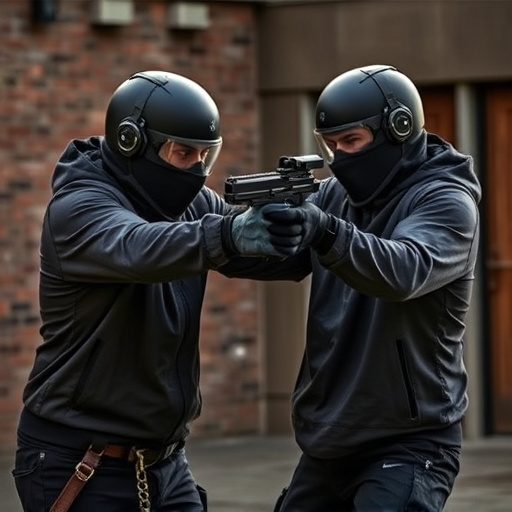
Stun gun flashlights offer a dual-purpose solution for self-defense, but they pose significant risks to individuals with heart conditions due to their high voltage pulses. These risks include irregular heartbeats and, in severe cases, cardiac arrest. Heart patients considering a stun gun should understand these dangers, as the electrical shock could trigger serious reactions or worsen existing cardiac conditions. While stun guns are effective for self-defense, heart patients must weigh these risks against their need for personal safety, consulting medical professionals for personalized advice and exploring alternative options where possible. Understanding local laws regarding stun guns and their safe use is also crucial to avoid legal issues.
“Discover the versatile multi-function stun gun flashlight—a powerful tool combining illumination and protection. This comprehensive guide explores its capabilities, from self-defense to emergency aid. We delve into the science behind its electric shock delivery mechanism, highlighting benefits and potential risks, especially for heart patients. Understanding legal considerations and safety best practices is essential when carrying a stun gun. Learn how this device navigates the delicate balance between personal safety and health concerns.”
- Understanding Stun Gun Flashlights: A Multi-Purpose Tool
- The Impact on Heart Patients: Potential Risks and Concerns
- How Stun Guns Work: Electric Shock Delivery Mechanism
- Benefits for Self-Defense and Emergency Situations
- Legal Considerations: Stun Gun Laws and Regulations
- Safety Precautions and Best Practices for Users
Understanding Stun Gun Flashlights: A Multi-Purpose Tool
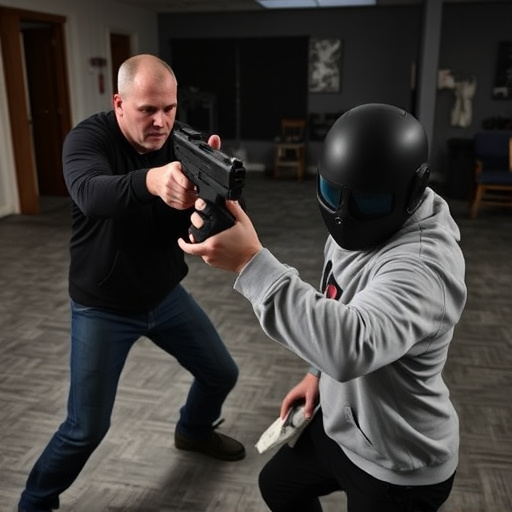
Stun gun flashlights are versatile tools designed to offer a dual function: the power of a stun gun and the brightness of a flashlight. This multi-purpose device is more than just a self-defense weapon; it’s an essential tool for personal safety, especially in low-light or emergency situations. The stun gun component delivers a powerful electric shock, designed to disable an assailant temporarily, providing the user with time to escape or seek help.
For individuals with heart conditions, however, stun gun risks must be carefully considered. Stun guns generate a high voltage pulse which, while effective for immobilizing attackers, can potentially pose dangers to those with cardiovascular issues. The sudden jolt of electricity could trigger an irregular heartbeat or, in extreme cases, lead to cardiac arrest. Therefore, it’s crucial for heart patients to consult with medical professionals before purchasing and using such devices, ensuring they understand the associated risks and potential side effects.
The Impact on Heart Patients: Potential Risks and Concerns
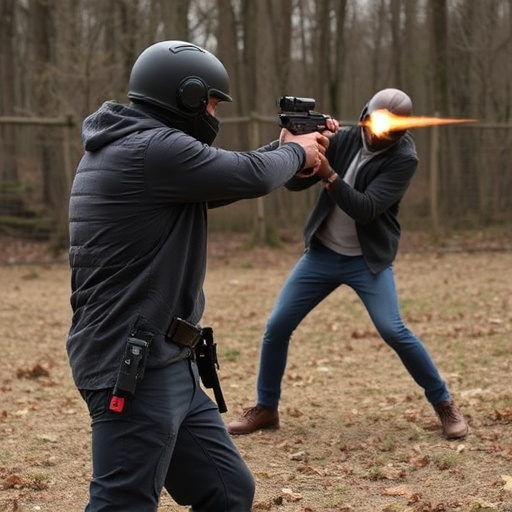
For individuals with heart conditions, the decision to carry a stun gun flashlight comes with a unique set of considerations and potential risks. While self-defense is a valid concern, integrating such a device into their personal safety arsenal requires careful thought due to its electrical nature. The impact on heart patients extends beyond the immediate physical effects; it delves into the intricate balance of managing pre-existing medical conditions.
Stun guns emit powerful electric shocks designed to incapacitate an attacker momentarily, but for those with cardiac issues, this can be a double-edged sword. The sudden jolt could potentially trigger an irregular heartbeat or exacerbate existing arrhythmias, leading to adverse reactions such as fainting or even heart failure. Moreover, the stress induced by a traumatic event might contribute to elevated blood pressure, posing additional risks for individuals already susceptible to cardiovascular complications.
How Stun Guns Work: Electric Shock Delivery Mechanism
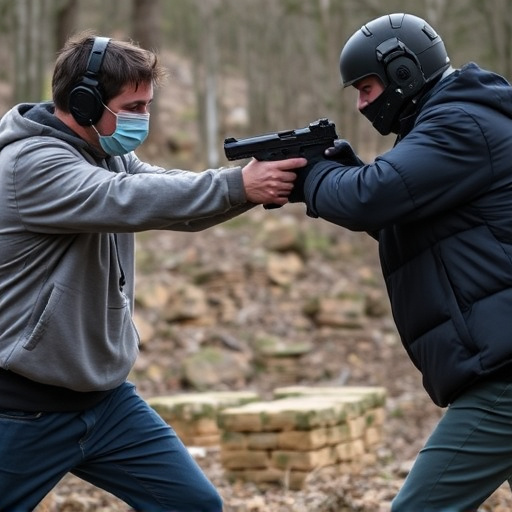
Stun guns operate by delivering a powerful electric shock to immobilize an attacker, using a combination of high voltage and low current. When activated, the device emits an electrical pulse that disrupts the neuromuscular signals in the body, causing muscle spasms and temporary paralysis. This disruption is achieved through specialized metal probes or electrodes located at the tip of the stun gun. The shock can be highly effective in self-defense scenarios, but it’s important to understand that the mechanism also carries specific risks.
One crucial consideration for individuals with heart conditions is the potential impact of a stun gun shock on their health. Stun guns generate significant electrical currents, which could pose dangers for those with pre-existing cardiac issues. The high voltage can temporarily affect heart rhythm and cause palpitations or, in rare cases, more severe cardiac complications. Therefore, users with known heart problems should exercise extreme caution when considering a stun gun as a self-defense tool, and consult medical professionals for personalized advice regarding potential risks and alternatives.
Benefits for Self-Defense and Emergency Situations
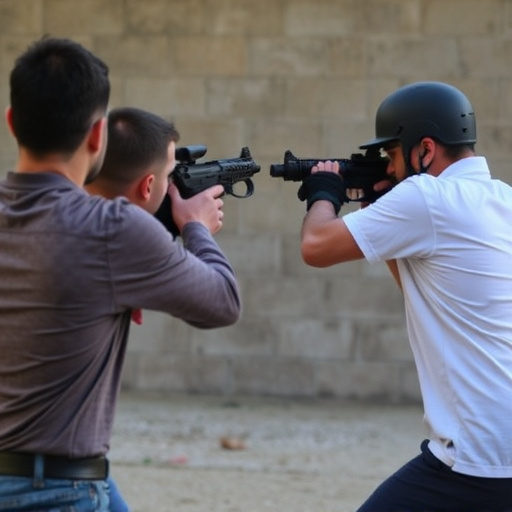
In today’s world, where personal safety is a top priority, multi-function stun gun flashlights offer a unique and powerful solution for self-defense. This innovative device combines the effectiveness of a stun gun with the practicality of a high-lumen flashlight, making it an ideal tool for both everyday carry and emergency situations. For individuals concerned about personal safety, especially those at risk of heart-related issues, this technology provides a non-lethal way to deter potential attackers while ensuring minimal harm. The stun gun component delivers a powerful electric shock, temporarily incapacitating the assailant, giving the user precious time to escape or seek help.
Emergency situations can arise unexpectedly, and having a stun gun flashlight readily available can prove invaluable. Its dual functionality allows users to illuminate dark areas during a crisis, enhancing their situational awareness. Moreover, the built-in flashlight can serve as a distress signal, attracting attention in case of an accident or getting lost. Despite concerns regarding stun gun risks for heart patients, responsible use and proper training ensure minimal harm while maximizing self-defense capabilities.
Legal Considerations: Stun Gun Laws and Regulations

When considering a multi-function stun gun flashlight, it’s crucial to be aware of the legal landscape surrounding stun guns in your area. Stun gun laws and regulations vary greatly from region to region, and understanding these rules is essential to avoid any legal repercussions. Many jurisdictions have specific restrictions on who can possess a stun gun, where they can be carried, and under what circumstances they can be used.
Additionally, certain populations, such as heart patients, face heightened risks when considering stun guns. The electrical shock delivered by a stun gun can potentially exacerbate cardiac conditions. As such, it’s vital to consult with legal experts and medical professionals before deciding on the acquisition of a stun gun flashlight, especially in areas where regulations are stringent or for individuals with pre-existing health issues.
Safety Precautions and Best Practices for Users

Using a stun gun flashlight combines the power of self-defense with the utility of a bright light, but it’s crucial to prioritize safety when operating this multifunctional device. For users with heart conditions, there are heightened risks associated with stun guns due to their electrical charges. Stun Gun Risks for Heart Patients should be taken seriously; the sudden shock can potentially trigger cardiac issues or exacerbate existing heart problems.
Before employing a stun gun flashlight, individuals with known cardiovascular diseases or those taking medications that affect heart rhythm should consult a healthcare professional. It’s essential to understand the device’s operating voltage and safety mechanisms, ensuring they align with your health profile. Proper training in its use is also vital; practicing safe handling and awareness of surroundings can prevent accidents and ensure effective self-defense without posing harm to yourself or others.
While stun gun flashlights offer multi-purpose functionality, it’s crucial to be aware of potential risks, especially for individuals with heart conditions. The electric shock delivery mechanism can have adverse effects on those with cardiovascular issues. Therefore, users and buyers must stay informed about local regulations and prioritize safety precautions to ensure these devices are employed responsibly in self-defense or emergency scenarios. Understanding both the benefits and Stun Gun Risks for Heart Patients is key to making an informed decision.