
Stun guns, despite marketing as non-lethal, pose significant risks to individuals with pre-existing heart conditions due to their powerful electrical shocks. These shocks can trigger irregular heartbeats or exacerbate existing heart problems, leading to serious health complications or fatalities. Heart patients considering stun guns should weigh these risks against benefits and consult healthcare providers before acquisition, with regular post-acquisition check-ups to monitor adverse effects. Current safety mechanisms have limitations for vulnerable populations with conditions like arrhythmias or ICDs, requiring advanced context-aware features to differentiate intended from accidental use. The debate around stun gun safety for heart patients necessitates future strategies focusing on preventing accidental discharges through enhanced user training and advanced safety features.
Stun guns, designed for personal protection, present unique risks for individuals with pre-existing heart conditions. This article delves into the critical issue of accidental discharge prevention mechanisms, specifically focusing on mitigating stun gun risks for heart patients. We explore current safety measures and their limitations, while also highlighting future preventive strategies aimed at enhancing the safety of vulnerable populations. Understanding these risks is essential in ensuring the responsible use of stun guns and saving lives.
- Understanding Stun Gun Risks for Heart Patients
- Current Prevention Mechanisms and Their Limitations
- Enhancing Safety Measures: Future Preventive Strategies for Heart Patients Using Stun Guns
Understanding Stun Gun Risks for Heart Patients
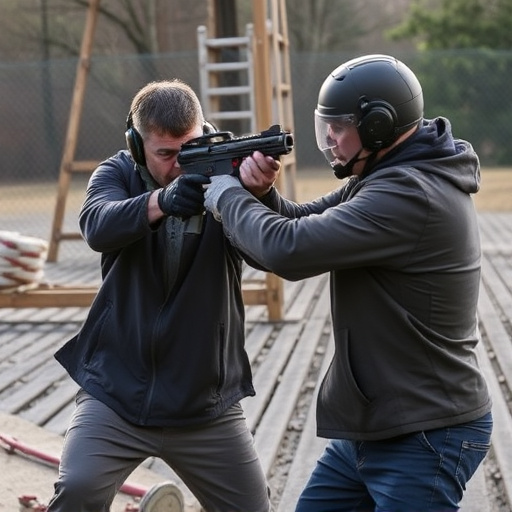
Stun guns, while marketed as non-lethal self-defense tools, pose unique risks for individuals with pre-existing heart conditions. These devices deliver a powerful electrical shock that can disrupt muscle function, but for those with cardiac issues like arrhythmias or weakened hearts, the effects can be more severe. The sudden jolt of electricity could potentially trigger dangerous irregular heartbeats or exacerbate existing heart problems, leading to serious health complications or even unexpected fatalities.
For heart patients considering carrying a stun gun for personal safety, it’s crucial to weigh these risks against the perceived benefits. Consulting with a healthcare provider before acquiring such a device is essential to understand the potential impacts on one’s specific condition and overall well-being. Regular medical check-ups post-acquisition can help monitor any adverse effects that may arise from using a stun gun.
Current Prevention Mechanisms and Their Limitations

Current prevention mechanisms for accidental discharges from stun guns, while designed to enhance safety, come with their share of limitations, particularly when considering users with specific health conditions, such as heart patients. Traditional methods often rely on physical triggers and pressure sensors that can be inadvertently activated by sudden movements or inappropriate handling, leading to unexpected shocks. These risks are exacerbated for individuals with cardiac arrhythmias or implantable cardioverter defibrillators (ICDs), where even minor electrical stimuli can trigger dangerous heart rhythms.
The limitations of current mechanisms highlight the need for more sophisticated and context-aware safety features. For instance, advanced sensors that monitor both physical movements and physiological signals could better detect intended versus accidental use, ensuring safer deployments, especially among vulnerable populations. Such innovations must be balanced with usability to ensure that these life-saving tools remain accessible without posing additional risks to those with pre-existing health conditions like heart patients.
Enhancing Safety Measures: Future Preventive Strategies for Heart Patients Using Stun Guns
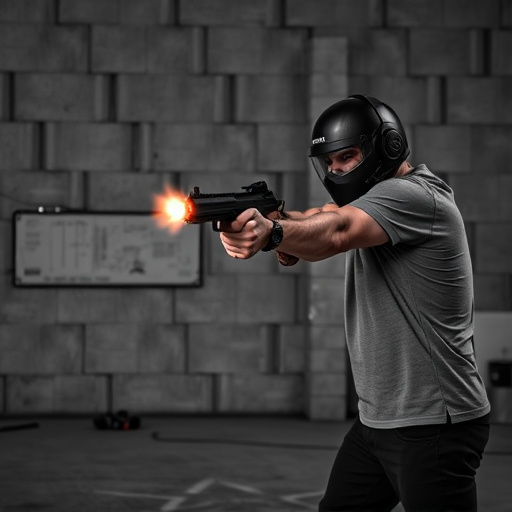
The integration of stun guns as a personal defense mechanism has sparked both interest and debate, especially within the medical community regarding heart patients. While these devices offer a swift means of deterring potential threats, it’s crucial to explore their risks and how they might impact individuals with pre-existing cardiac conditions. Heart patients often face unique challenges, and any additional physical stress could have severe consequences. Therefore, future strategies for accidental discharge prevention must prioritize their safety.
Innovative approaches could involve enhanced training programs that educate users on the specific considerations for heart health when employing stun guns. This includes awareness of symptoms like palpitations or fainting spells, which might be exacerbated by the device’s electric shock. Additionally, designing stun guns with advanced safety features, such as automatic shut-off mechanisms after a set stun duration, could significantly mitigate risks. Such precautions are vital to ensuring heart patients can protect themselves without causing further harm.
Accidental discharge of stun guns can pose significant risks, especially for heart patients. Understanding these dangers and their underlying causes is paramount. Current prevention mechanisms, while necessary, have limitations that must be addressed to enhance safety. Future strategies should focus on innovative technologies and comprehensive training to mitigate Stun Gun Risks for Heart Patients effectively. By adopting advanced protective measures, we can ensure the safe use of stun guns without compromising the well-being of vulnerable individuals.