
Stun guns pose significant risks to individuals with heart conditions due to their intense electrical current, potentially triggering severe cardiovascular events. As stun guns become more accessible, heart patients must be aware of these dangers, reevaluate fitness programs involving shock exposure, and take proactive safety measures. Balancing security and privacy concerns is crucial, especially for vulnerable groups like the elderly and those with pre-existing health conditions, highlighting the need for stricter regulations and advanced detection methods like portable sensors and AI algorithms.
In recent years, the prevalence of concealed stun guns has raised significant concerns, particularly regarding their impact on heart health. This article delves into the growing threat posed by stun guns, focusing on the cardiac risks they present to vulnerable populations, especially the elderly and patients with pre-existing cardiovascular conditions. We explore detection challenges between security measures and public safety, highlighting the need for advanced technology solutions to mitigate these hidden dangers.
- Stun Guns: A Growing Threat to Heart Health
- Cardiac Risks: Unveiling Hidden Dangers
- Detection Challenges: Security vs. Safety
- Impact on Vulnerable Populations: Elderly and Patients
- Future Solutions: Advanced Technology for Detection
Stun Guns: A Growing Threat to Heart Health

Stun guns, while intended as self-defense tools, pose a significant risk to individuals with heart conditions. The intense electrical current discharged by these devices can lead to severe cardiovascular events in those with pre-existing heart issues. For heart patients, even a momentary disruption in cardiac rhythm could have lasting consequences or, in the worst cases, result in sudden cardiac arrest.
Given that stun guns are becoming increasingly accessible and popular for personal protection, it’s crucial for individuals with heart problems to be aware of these risks. Regular exercise and fitness programs, which are often recommended for maintaining heart health, might need to be re-evaluated if they involve potential exposure to stun gun shocks. Awareness and proactive measures are essential to mitigate the Stun Gun Risks for Heart Patients and ensure their safety in various scenarios.
Cardiac Risks: Unveiling Hidden Dangers
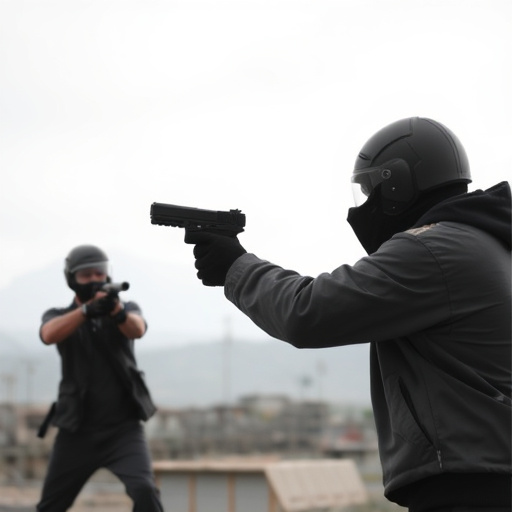
Stun guns, while designed as self-defense tools, pose unique risks for individuals with pre-existing cardiac conditions. For heart patients, the sudden electrical shock delivered by a stun gun can trigger serious cardiovascular events, including arrhythmias and even sudden cardiac arrest. These devices emit a powerful electric current that can disrupt the normal rhythm of the heart, leading to potentially life-threatening consequences, especially for those with already weakened hearts or underlying heart conditions such as atrial fibrillation or hypertrophic cardiomyopathy.
Hidden dangers emerge when considering that stun gun use may not always be evident to others around the individual. The immediate effects might appear minimal, but the underlying cardiac risks can remain unaddressed. This raises concerns for those in public spaces where stun guns could unknowingly be deployed, potentially putting vulnerable heart patients at greater risk of adverse events with every encounter.
Detection Challenges: Security vs. Safety
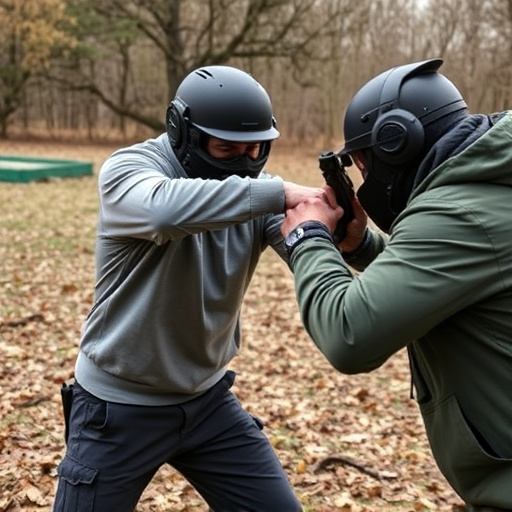
Security and safety are paramount in today’s world, but they often clash when it comes to concealed stun gun detection. While security personnel must ensure the safety of public spaces, individuals also have a right to privacy and protection. This balance is particularly delicate for heart patients who carry stun guns for self-defense due to their medical condition.
The challenge lies in developing technology that can accurately detect stun guns without infringing on personal freedoms. Traditional metal detectors might not be effective against modern stun guns, which often use non-metallic materials. Additionally, random pat-downs or body scans raise concerns about privacy and potential abuse, especially for vulnerable populations like heart patients who may already face social and health barriers. Finding a solution that strikes the right balance between security and safety is crucial to addressing the growing concern of stun gun risks for this specific demographic.
Impact on Vulnerable Populations: Elderly and Patients
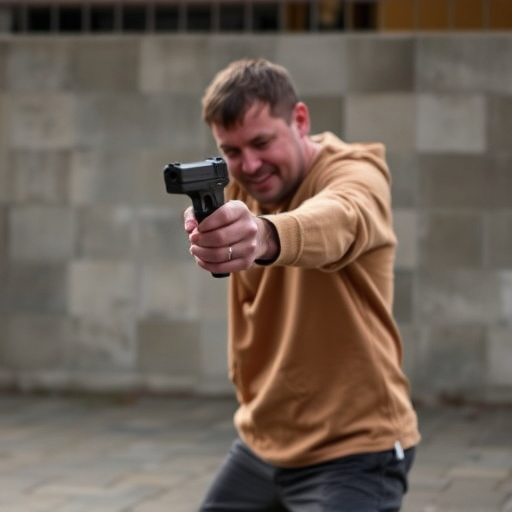
The prevalence of concealed stun guns raises significant concerns, especially for vulnerable populations like the elderly and patients with heart conditions. These individuals often have weakened physical systems, making them more susceptible to the severe effects of a stun gun’s electric current. For heart patients in particular, the risks are substantial; the sudden jolt from a stun gun can potentially trigger cardiac episodes or arrhythmias, leading to critical health complications and even death.
Elderly people, who may already have reduced mobility and balance, could also fall victim to the disorienting effects of a stun gun, increasing their risk of injury. The impact on these vulnerable groups underscores the need for heightened awareness and stringent regulations regarding concealed weapons, with special consideration given to the unique vulnerabilities of individuals with pre-existing health conditions.
Future Solutions: Advanced Technology for Detection
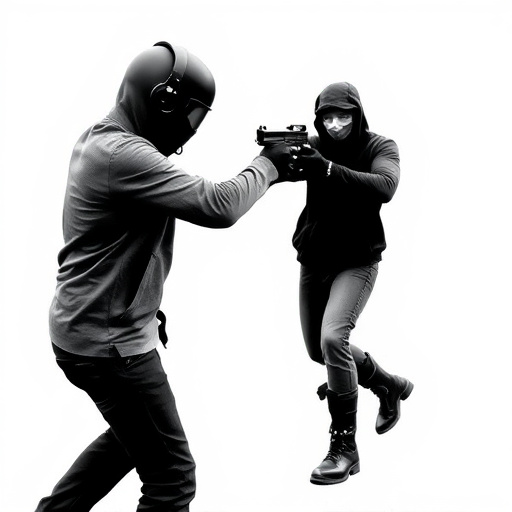
As technology advances, so do the methods employed by law enforcement and security professionals in detecting concealed weapons. Future solutions to address the growing concern of stun gun risks for heart patients lie in advanced technological innovations. One promising approach is the development of portable, handheld devices equipped with sensitive sensors capable of identifying various chemical compositions and electronic signatures emitted by stun guns. These devices can analyze the unique electromagnetic patterns and chemical markers present in stun gun probes, providing a non-invasive method to detect their presence.
Additionally, artificial intelligence (AI) algorithms can play a pivotal role in enhancing detection capabilities. By learning and recognizing patterns from vast databases of stun gun signatures, AI systems can quickly scan individuals for any unusual or suspicious signals, further minimizing the risks associated with these concealed weapons, especially for those with heart conditions.
As we’ve explored, stun guns pose significant risks to heart health, particularly for vulnerable populations like the elderly and patients with cardiac conditions. The current challenges in detection highlight the need for advanced technology solutions that can balance security concerns with public safety. By investing in innovative detection methods, we can mitigate the growing threat of stun guns and ensure a safer environment for everyone, especially those most at risk. Addressing these stun gun risks for heart patients is crucial to preventing unforeseen cardiac incidents in public spaces.